Background site understanding
A website is added immediately, then analyzed in the background so setup friction stays low while the product still gains real context before drafting.
A site-aware SEO publishing platform that learns the website before it writes. RankBloom connects domains, runs background analysis, stores editorial defaults, and turns that context into structured drafting, scheduling, and publishing workflows.
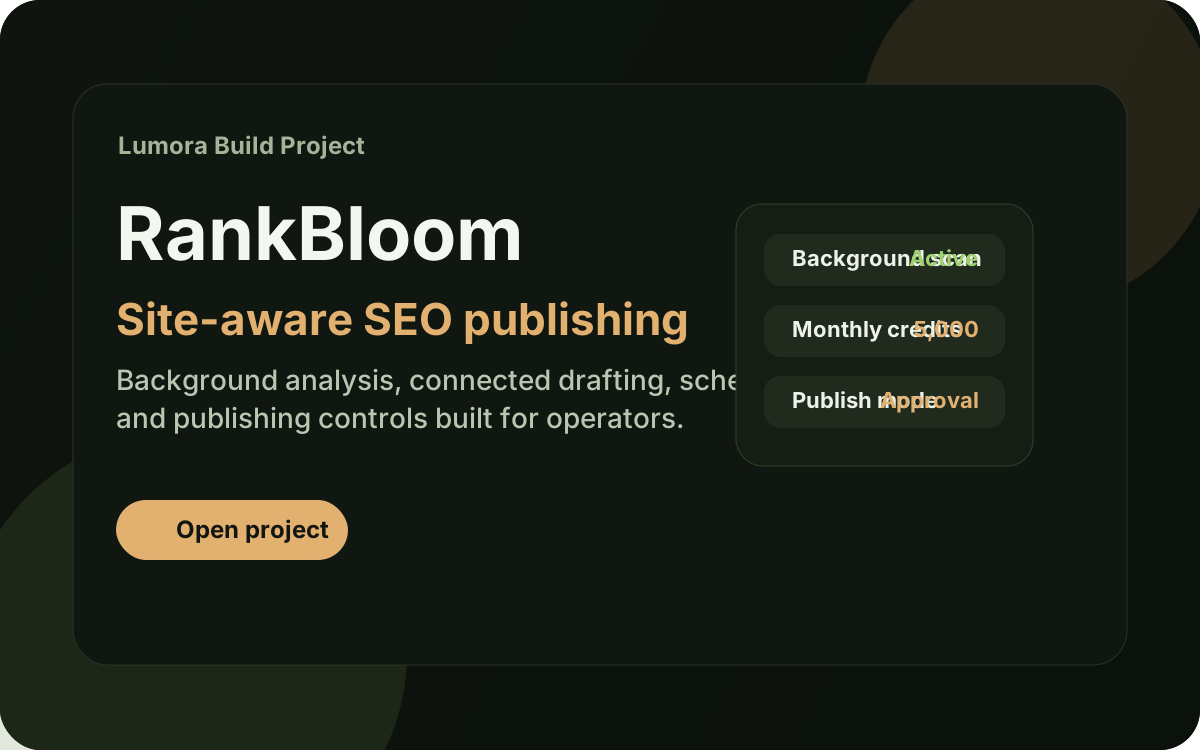
Setup behavior
Add site now, analyze in background
Credit model
20 free monthly credits, paid plans for recurring volume
Publishing logic
Manual, approval, or auto-publish per site
The product was shaped around a common operational gap: teams can generate text easily, but still struggle to connect that output to actual websites, site rules, publishing schedules, approval flow, and cost visibility.
A website is added immediately, then analyzed in the background so setup friction stays low while the product still gains real context before drafting.
Editorial defaults, categories, tags, keyword targets, and site notes all feed the generation flow so drafts are shaped by the site instead of starting from zero every time.
Drafts can stay manual, move through approval, or publish automatically with schedule settings, destination rules, and workspace billing all kept in one product surface.
Most AI content tools are fast at writing but weak at operations. They are not naturally anchored to the website, the publishing schedule, or the real rules content teams follow. The result is more text, not necessarily a better content system.
RankBloom was structured around connected websites first. Site addition is intentionally lightweight, but the system still performs background analysis so later workflows inherit real context. Drafting, scheduling, and publish modes then sit on top of that connected base.
RankBloom now operates as a more coherent system: site-aware content generation, cleaner setup, stronger plan logic, and a dedicated public marketing surface that explains the workflow in language operators actually use.
Every workflow starts from a real connected domain with its own analysis, defaults, destinations, and cadence.
Manual, approval, and auto-publish modes exist because delivery rules matter just as much as content generation.
The pricing ladder is one monthly subscription: the plan sets the credits that arrive each month, and extra credits are added to that same plan in blocks of 100 per month.
Central auth and shared payments reduce duplicate infrastructure while keeping the product aligned with the wider Lumora Build stack.
The marketing surface explains the value clearly, while the app domain focuses on workflow, billing, and site operations.
The new public surface is structured with canonical metadata, Open Graph, FAQ content, and product-specific language instead of generic marketing filler.
RankBloom writes the posts. The plugin is the WordPress end of the same account: it checks your workspace on a schedule and imports whatever is ready.
Title, body, excerpt, categories, tags, meta description, schema markup, featured image and the audio narration all arrive together, as drafts by default.
Press Connect, sign in, approve, and you land back in WordPress already connected. The credential is exchanged server to server, so no API key is ever shown to you or placed in a URL.
Meta title and description are written to Yoast and Rank Math automatically, and each post carries Article JSON-LD — plus AudioObject markup when it has narration.
Every import records the RankBloom ID it came from, so a retried or interrupted sync is a no-op rather than a second copy — even if you already trashed the first one.
It runs on locked-down shared hosting, and the free plan is a permanent one: 20 credits a month, one credit per finished post including its images, with no card required.
The product now has a dedicated public story, portfolio presence, and cleaner positioning around background analysis, connected drafting, and publishing control.